
Many organizations struggle to move artificial intelligence from concept to practice. Proofs of concept offer initial insights but often remain isolated. AI real labs address this gap by deliberately placing experimentation into real operational, organizational, and technical contexts.
Innovation is no longer detached from day‑to‑day operations but tested under realistic conditions.
An AI real lab is not a traditional innovation initiative. It combines real data, actual processes, and concrete user groups within a clearly defined experimental framework. The objective is not to deliver perfect solutions, but to generate reliable insights into feasibility, impact, and limitations.
Questions that are often overlooked in theoretical settings take center stage: How does a model behave in production? Which dependencies emerge? What organizational changes are required?
The core value of AI real labs lies in structured learning. Technical outcomes are connected with organizational, legal, and operational experiences. Topics such as data quality, governance, user acceptance, and system integration can only be meaningfully assessed in real environments.
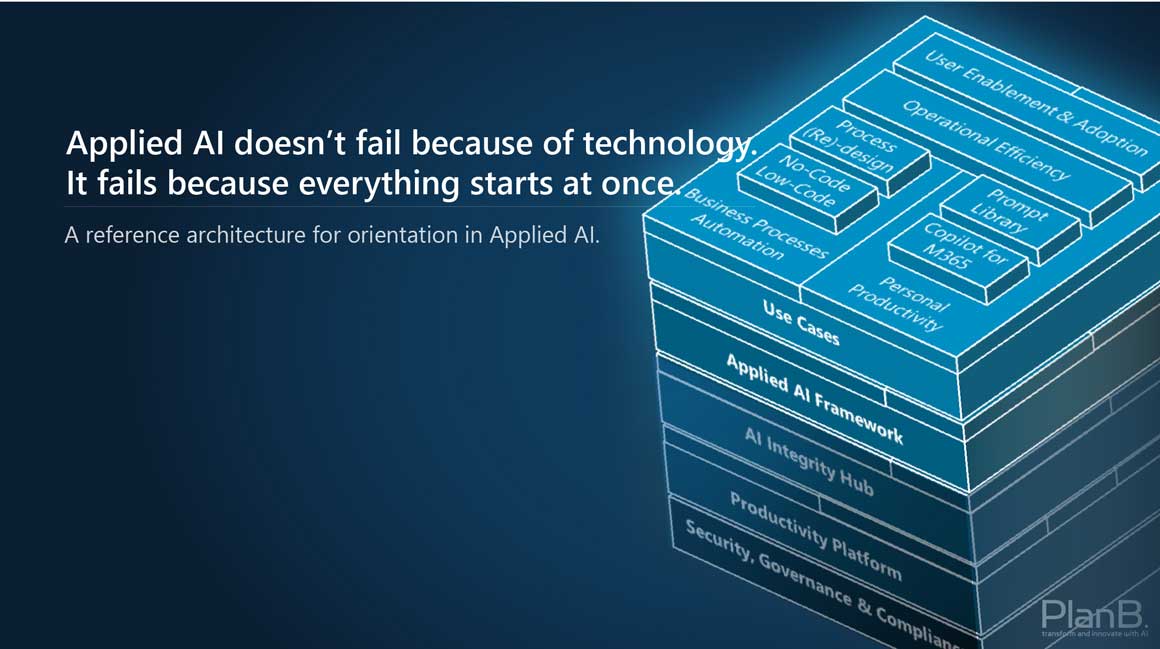
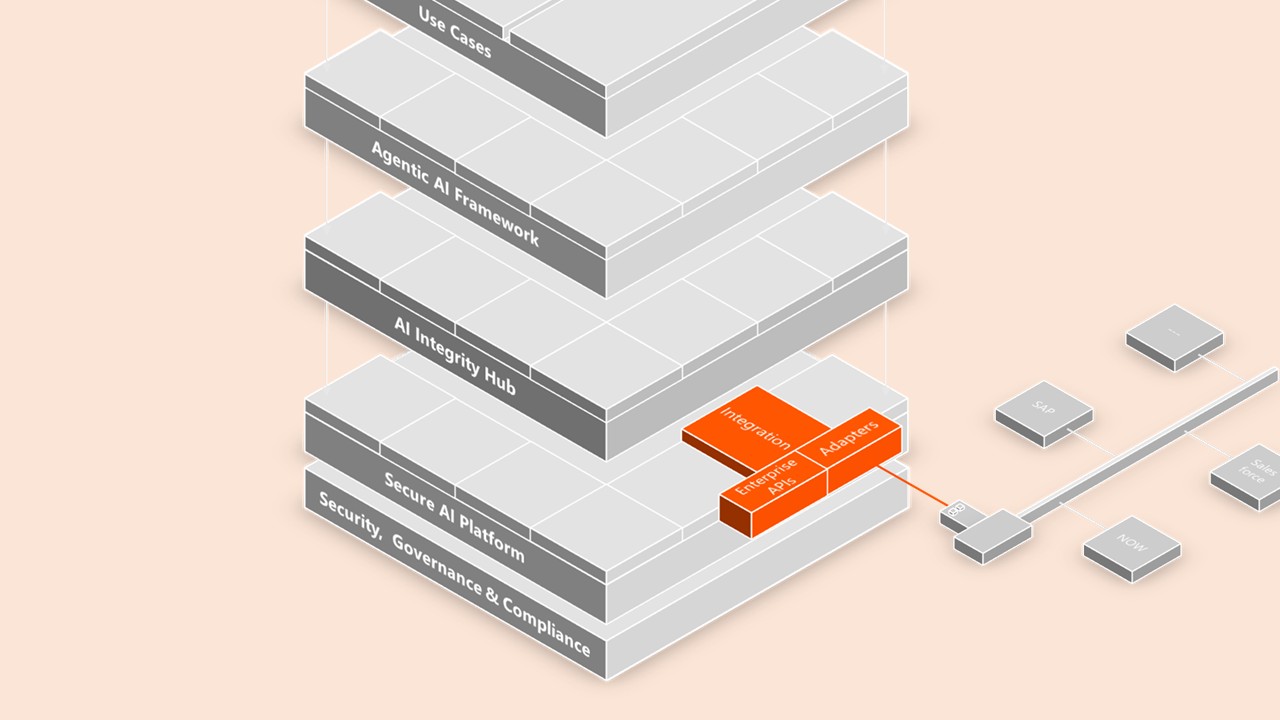
AI is treated not as an isolated technology, but as part of a broader system.
Real labs intentionally operate within controlled boundaries. Clear objectives, defined timeframes, and transparent evaluation criteria prevent experiments from growing unstructured. At the same time, sufficient flexibility remains to test new approaches and iterate on findings.
This balance between control and openness is essential to limit risk while enabling innovation.
For AI real labs to deliver lasting value, their insights must be embedded into existing structures. Architecture, operating models, and governance play a central role. A real lab reaches its full potential only when learnings systematically inform decisions and future developments.
In this way, experimentation becomes a building block for long‑term organizational progress.
AI real labs bridge the gap between innovation ambitions and operational reality. They help organizations reduce uncertainty, make informed decisions, and adopt AI responsibly over time.
The focus is not on speed or novelty, but on structured learning in real‑world conditions.