Most AI initiatives don’t fail because of technology. They fail because everything starts at once.
Productivity. Automation. Governance. Security. Platforms. Adoption. Together, they create a kind of complexity that is hard to navigate, especially once AI moves from isolated experiments into everyday work. That’s why the Applied AI Reference Architecture exists: to bring structure into exactly this situation.
Not as a technical blueprint, and not as a fixed target state, but as a shared model that helps organizations understand how Applied AI fits together and how the journey can be structured without losing orientation along the way.
Once AI moves from experimentation into everyday work, organizations face recurring questions:
Without a common frame of reference, alignment breaks down quickly:
The Applied AI Reference Architecture provides a shared language to align these discussions and make dependencies visible.
The Applied AI Reference Architecture is a conceptual model. It helps organizations think about Applied AI in a structured way:
By providing a common frame of reference, the architecture enables clearer conversations and more deliberate choices. It allows teams to discuss Applied AI from different perspectives without losing the overall picture.
The architecture does not reduce complexity. It makes it visible. And once complexity becomes visible, it becomes manageable.
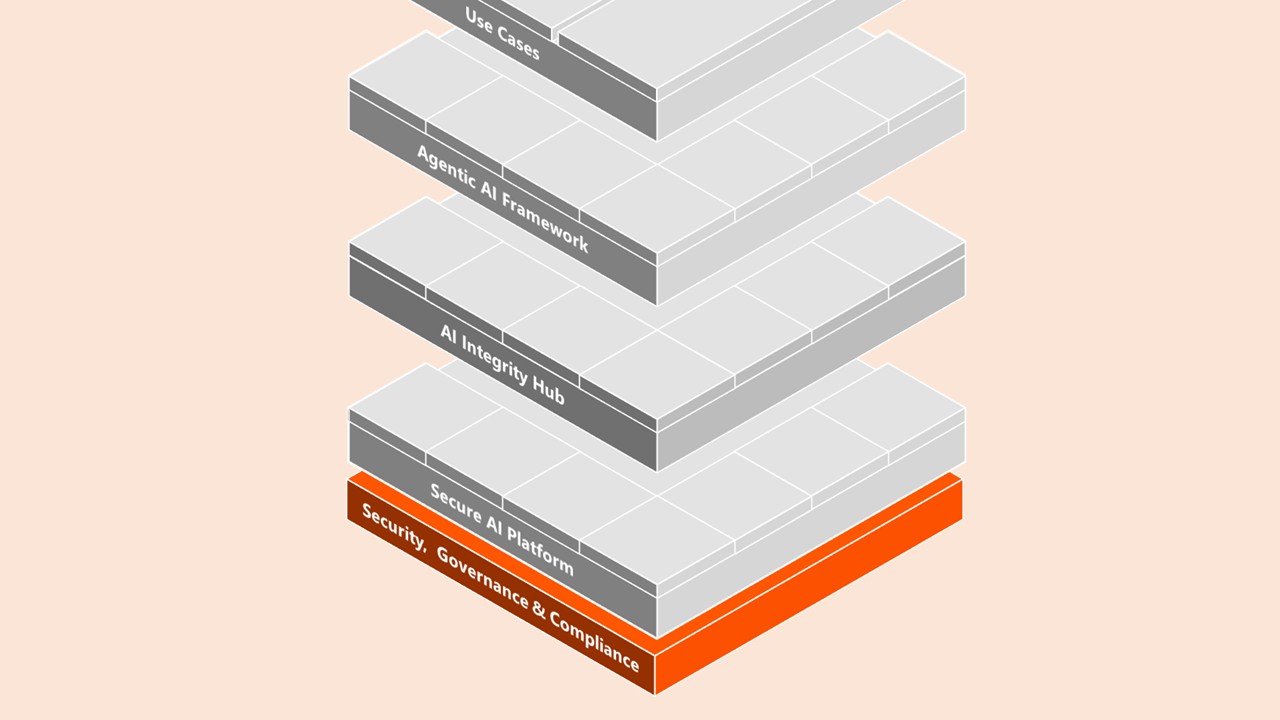
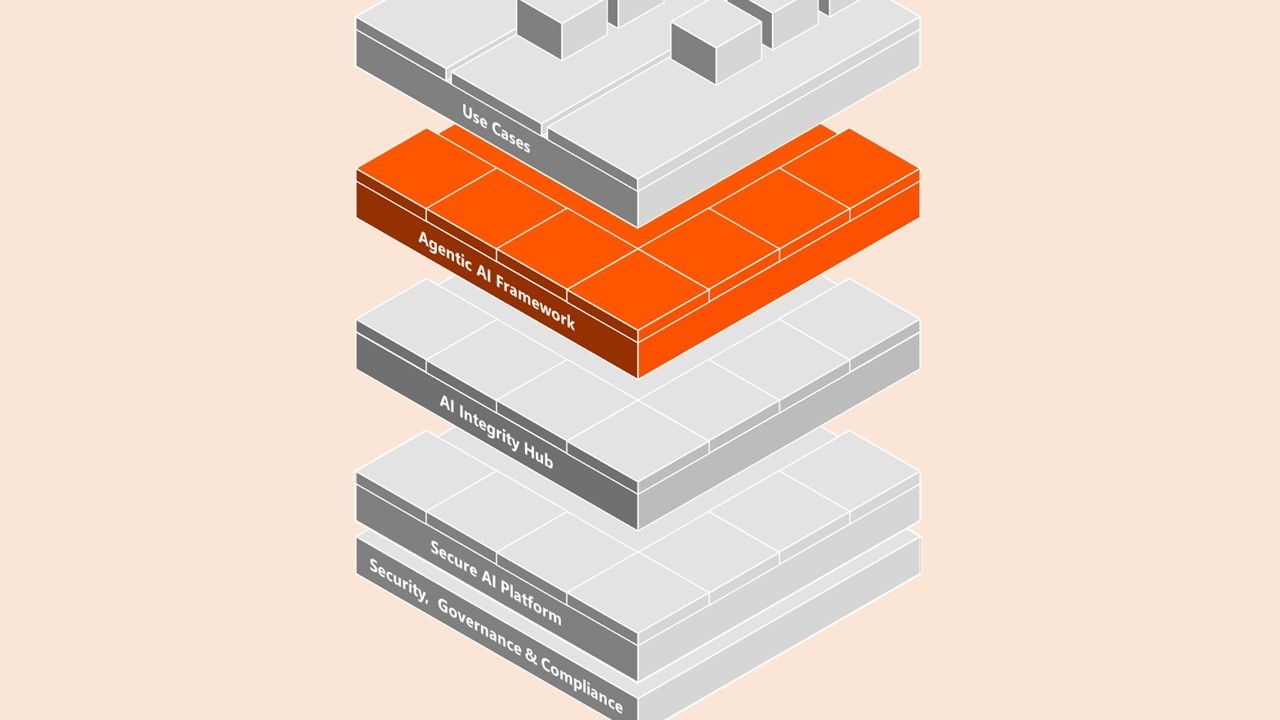
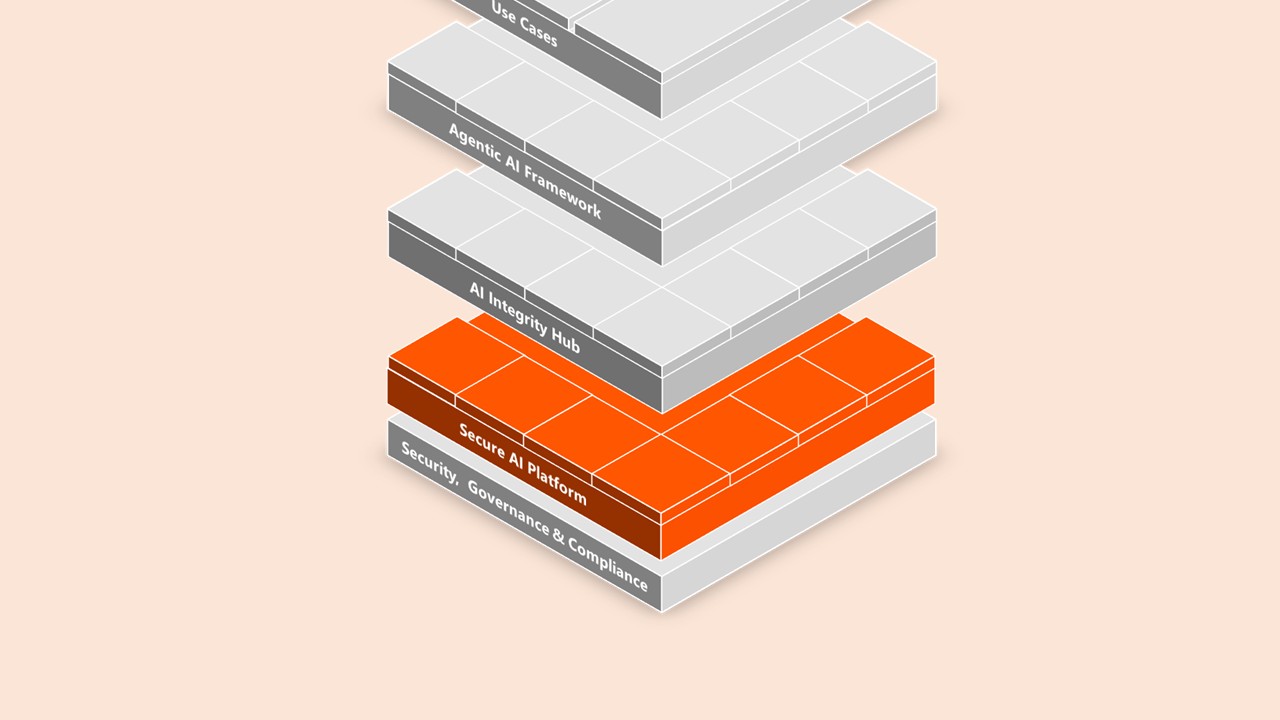
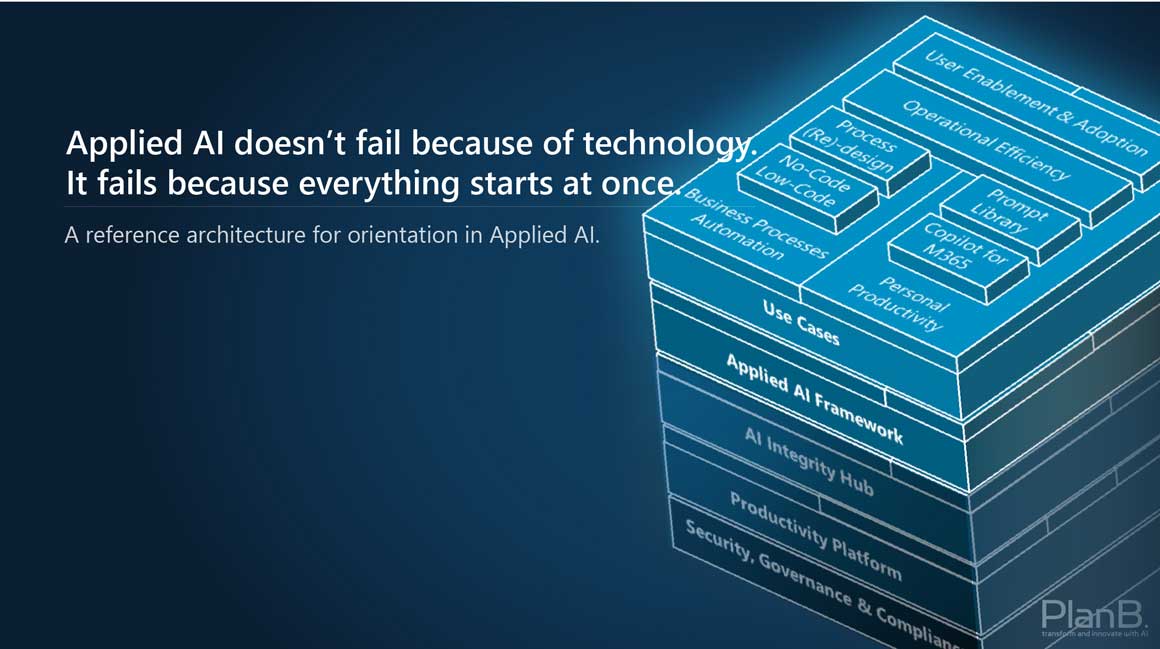
The architecture is structured into five layers. Each layer addresses a distinct concern, but none of them works in isolation.
Organizations may start in different layers, but sustainable Applied AI requires all of them to evolve together.
This layer forms the foundation of Applied AI.
It addresses:
Applied AI does not create new data risks, it makes existing ones visible.
That’s often the moment when enthusiasm meets compliance reality.
As Applied AI usage spreads, isolated setups reach their limits.
This layer focuses on:
The goal is not technological sophistication, it’s reliability.
Applied AI should work where people already work, consistently, securely, and without friction. Otherwise it becomes another isolated tool, not a capability.
With increasing AI usage, new questions emerge:
This layer brings together capabilities for:
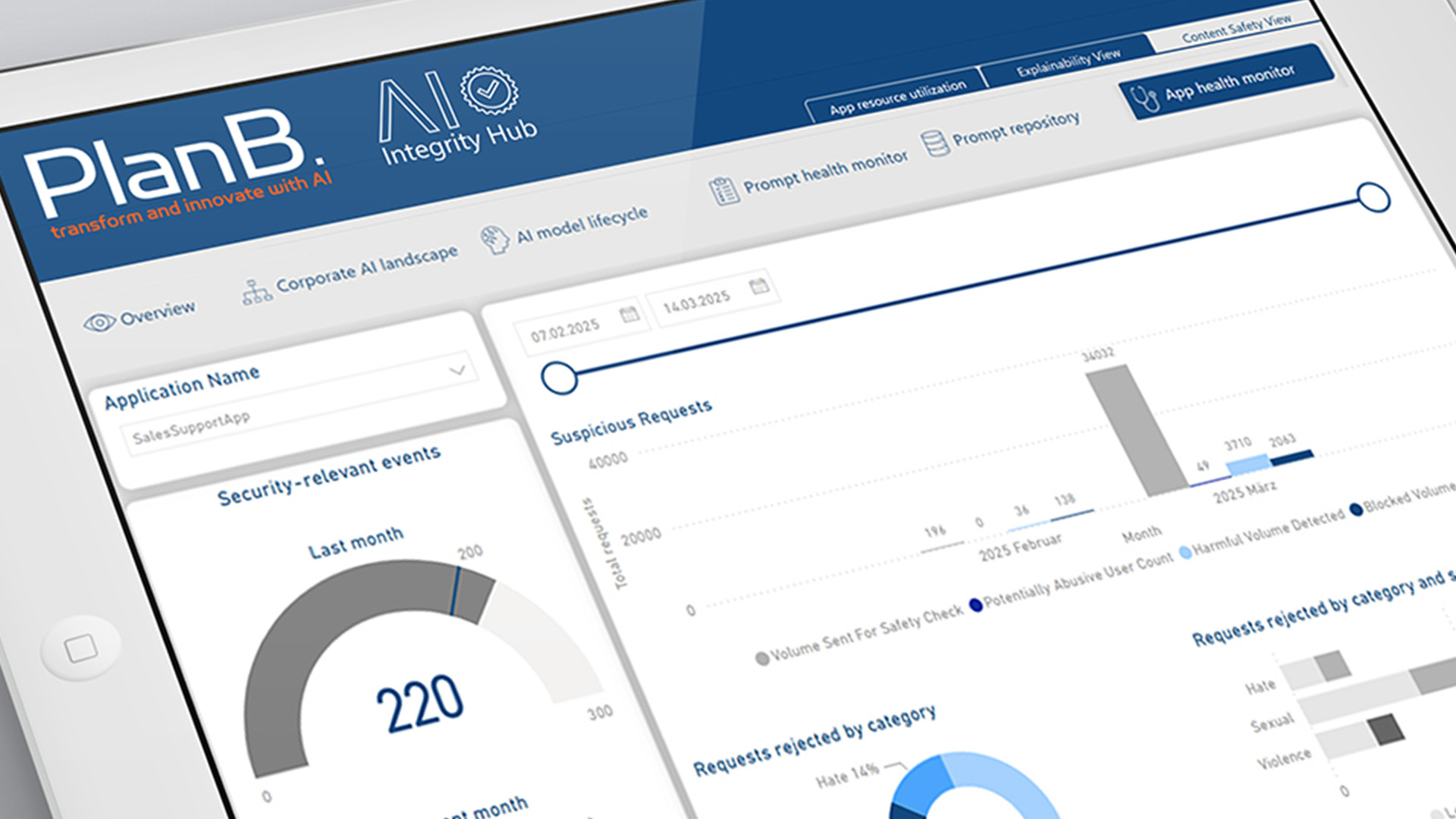
The Integrity Hub Layer ensures that scale strengthens trust instead of undermining it.
This layer is where Applied AI becomes concrete.
It enables:
The focus here is on solutions that teams understand and can work with over time. They should be easy to adapt, maintain, and reuse across different areas.
This layer represents the outcome of all others.
It includes:
This is where value and ROI materialize. But use cases scale sustainably only when the layers below are aligned.
Strong use cases without governance create risk. Strong platforms without adoption create complexity. Strong governance without usability creates friction.
In practice, organizations rarely develop all layers at the same pace. Use cases move fast. Governance moves carefully. Platforms take time. Adoption varies across teams. The Applied AI Reference Architecture helps make these imbalances visible.
Instead of discussing topics in isolation, it allows teams to see how decisions in one layer affect others:
This shared view helps organizations address conflicts early and align progress across people, processes, and technology.
Handled separately, Applied AI topics slow organizations down. Handled together, they create confidence and progress.
The Applied AI Reference Architecture:
Applied AI doesn’t need acceleration first. It needs orientation. Architecture provides that orientation. This is the perspective we commonly use when supporting organizations along their Applied AI journey.
How are you structuring your Applied AI journey today?