
Cloud infrastructure is often viewed as a purely technical concern. In reality, it provides the structural basis for most digital initiatives, from traditional applications to data- and AI-driven systems. Decisions made at the infrastructure level have long-term impact on stability, flexibility, and governance.
In enterprise environments, the focus is on coherence rather than individual services.
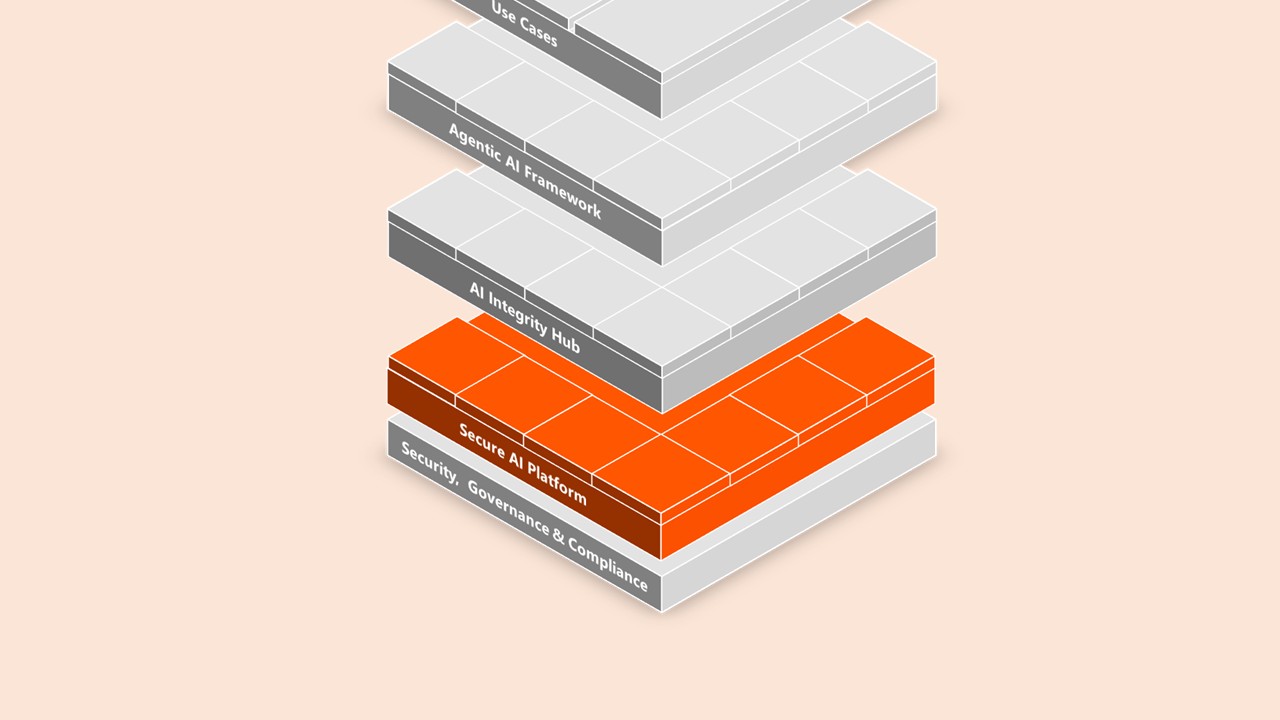
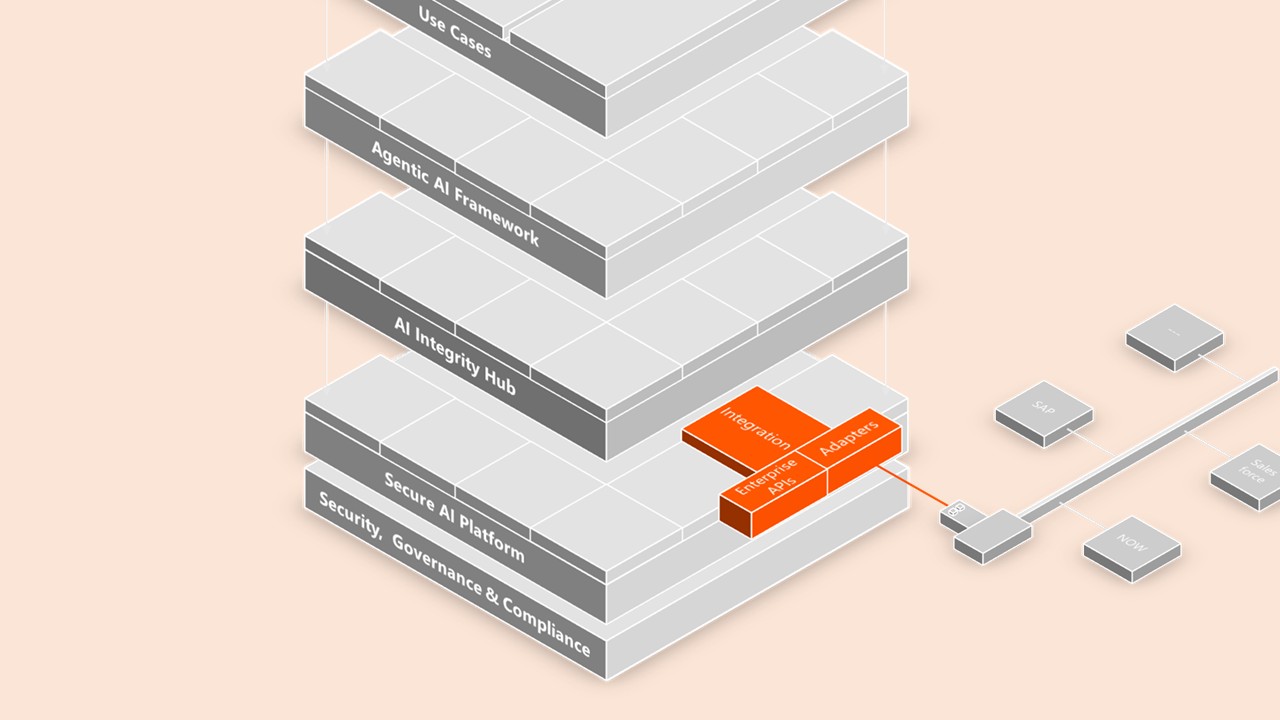
Cloud infrastructure includes compute, storage, networking, and foundational platform services. These resources are standardized and accessed through defined interfaces. Reusability, automation, and clear ownership are central design principles.
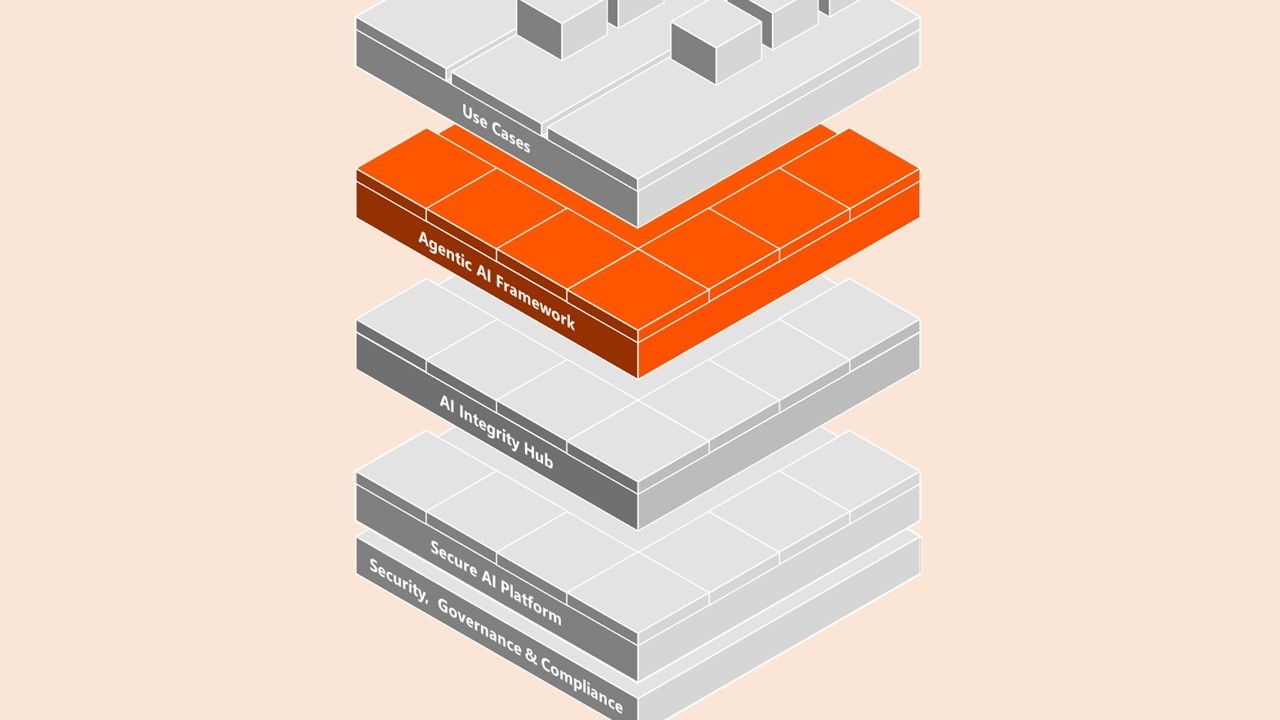
Separating infrastructure, platform, and application layers helps keep dependencies manageable.
Cloud infrastructure introduces new operating models. Provisioning, scaling, and baseline security are increasingly automated. At the same time, responsibility shifts from static operations to continuous design and optimization.
This requires clear role definitions between central infrastructure teams and application-focused units.
Security and governance are integral to cloud infrastructure. Access control, network segmentation, compliance requirements, and cost transparency are embedded into the design. Traceability and control are essential characteristics.
As a result, infrastructure provides both technical and organizational guardrails.
A key objective of cloud infrastructure is controlled scalability. Resources can be allocated on demand without creating bespoke solutions. Standardization reduces complexity and simplifies operations, audits, and evolution.
Scalability becomes a structural capability rather than an isolated measure.
Cloud infrastructure is not an isolated layer but part of a broader architectural landscape. It underpins platforms, applications, and data-driven systems. Its quality directly influences how quickly and reliably organizations can respond to change.
A deliberate positioning of cloud infrastructure supports sustainable architecture decisions.