In many organizations, artificial intelligence does not primarily enter through strategic programs or official initiatives, but through everyday work practices. Employees use AI‑based tools to draft texts, structure information, or prepare decisions — often without formal approval or centralized oversight.
This phenomenon is commonly referred to as shadow AI. It does not arise from deliberate non‑compliance, but from practical needs for efficiency and support.
The pattern itself is familiar. Cloud services, collaboration tools, and low‑code platforms followed similar paths. Shadow AI, however, differs in depth of impact.
AI does not only access systems; it shapes thinking, decision logic, and knowledge processing. This creates new dependencies that are difficult to detect and even harder to manage.
From the user’s perspective, shadow AI often delivers immediate benefits. Tasks are completed faster, information is easier to structure, and cognitive load is reduced. These effects are tangible and widely experienced.
At the same time, organizational transparency decreases. It becomes unclear which tools are used, which data is processed, and how outcomes are produced. Control gradually shifts from formal structures to individual practices.
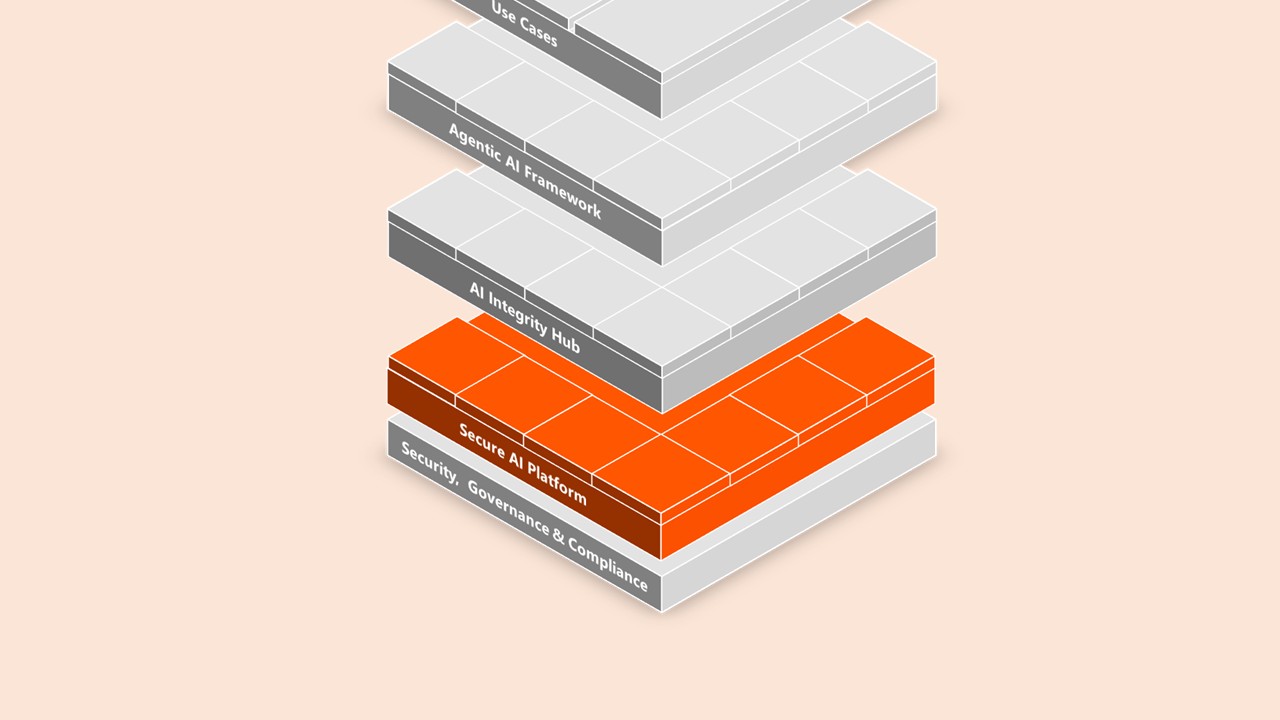
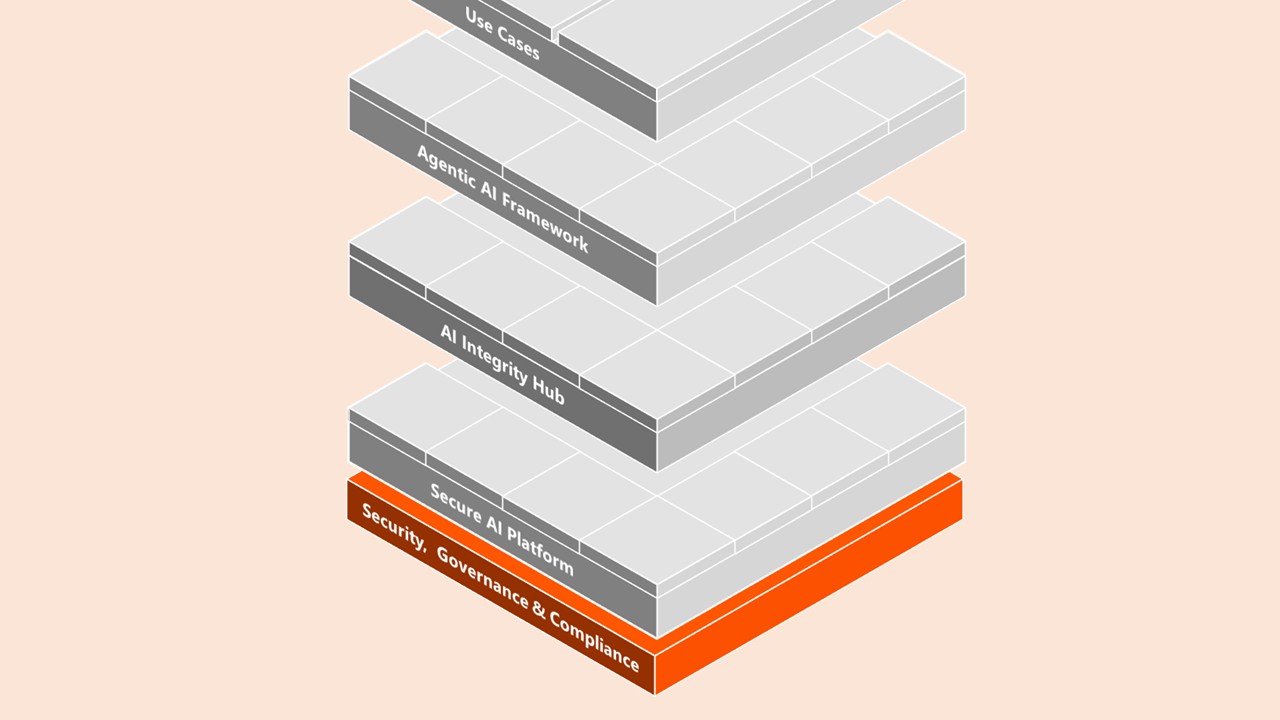
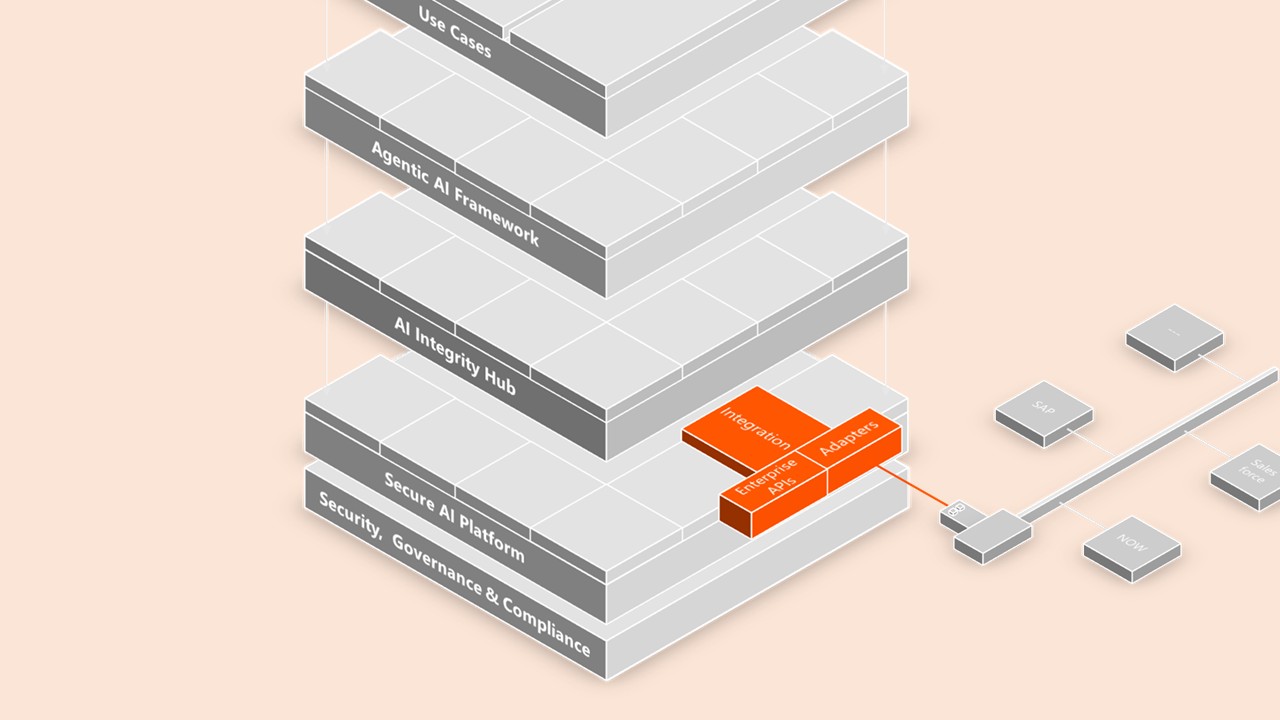
Shadow AI challenges existing governance models. Policies, approval processes, and security concepts are typically designed for clearly defined systems. Informally used AI tools fall outside these frameworks without intentionally violating them.
As a result, accountability becomes blurred. Decisions increasingly rely on AI‑supported inputs whose origin, quality, or bias may not be fully understood.
A key risk of shadow AI lies in data handling. Content is copied, uploaded, or recombined without consistent classification or clarity around sensitivity and purpose. At the same time, shared standards for assessing result quality are often missing.
AI amplifies existing information structures — including their weaknesses. Shadow AI exposes these issues without resolving them on its own.
Rather than viewing shadow AI purely as a risk, it can also be interpreted as a signal. It highlights gaps where official tools, processes, or structures fail to meet real needs. Employees turn to AI because they experience practical limitations.
Seen this way, shadow AI becomes a starting point for reflection on how work is organized, how decisions are made, and how knowledge is handled.
In enterprise environments, shadow AI is not a fringe phenomenon, but an expression of deeper transformation. Organizations are challenged to make informal AI use visible without defaulting to prohibition or idealization.
Addressing shadow AI requires less control and more understanding — and a willingness to align formal structures more closely with everyday practice.