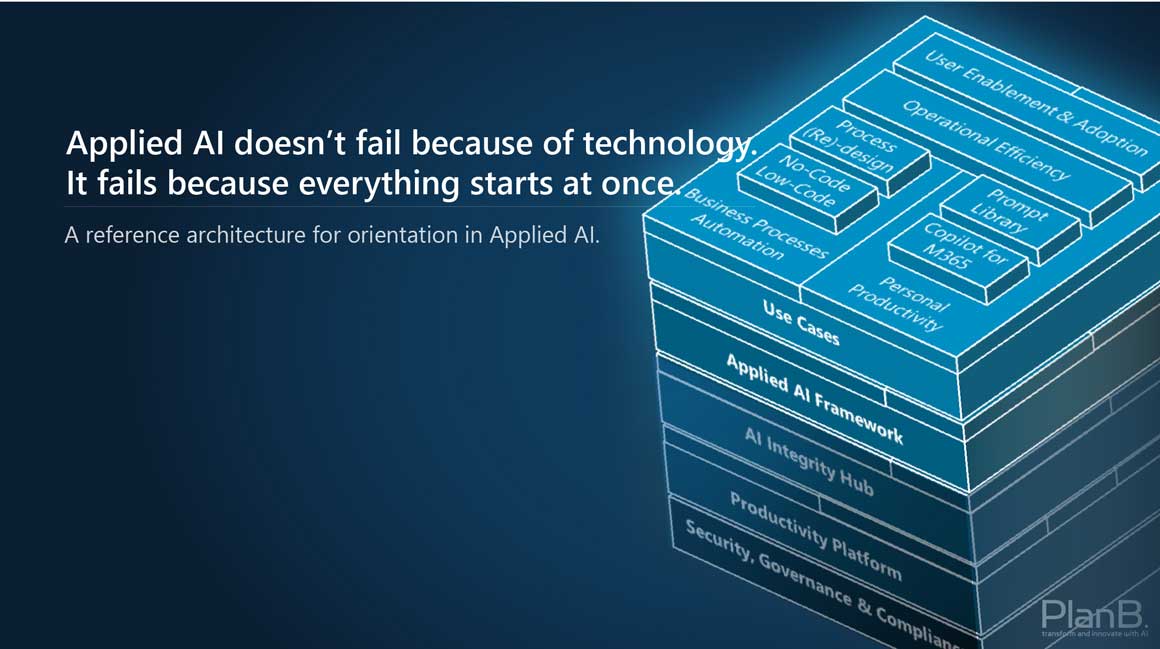

Compliance and information protection are often perceived as regulatory obligations. In practice, they play a broader role by establishing reliable structures for managing information and digital assets throughout their lifecycle.
In enterprise environments, the focus extends beyond compliance to include transparency, control, and organizational reliability.
Compliance refers to adherence to external regulations and internal policies. This includes legal requirements, industry standards, and corporate rules. Compliance defines the boundaries within which processes, systems, and responsibilities are designed.
Its effectiveness depends on being embedded into architectural and organizational decisions rather than treated as an isolated concern.
Information protection focuses on safeguarding information against unauthorized access, loss, or misuse. It includes classification, access control, encryption, and mechanisms for traceability and oversight.
Protection applies not only to personal data but to all information critical to the organization.
Effective compliance and information protection emerge from the interaction of technical controls and organizational governance. Technical measures require clearly defined roles, processes, and decision paths to be effective.
Organizations must clarify who creates, accesses, protects, approves, and monitors information across systems and departments.
Regulatory environments, business models, and technologies evolve continuously. As a result, compliance and information protection are ongoing efforts rather than static states. Regular review and adjustment are essential components.
This requires durable structures instead of isolated, one-time initiatives.
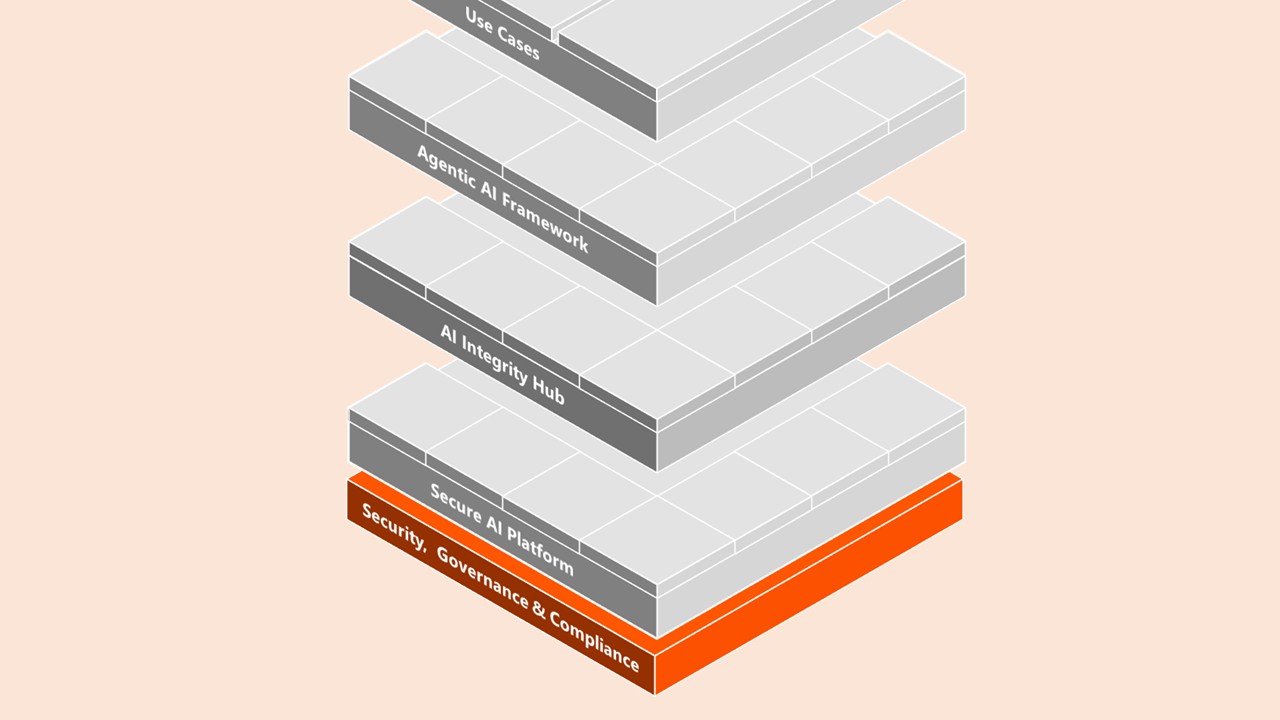
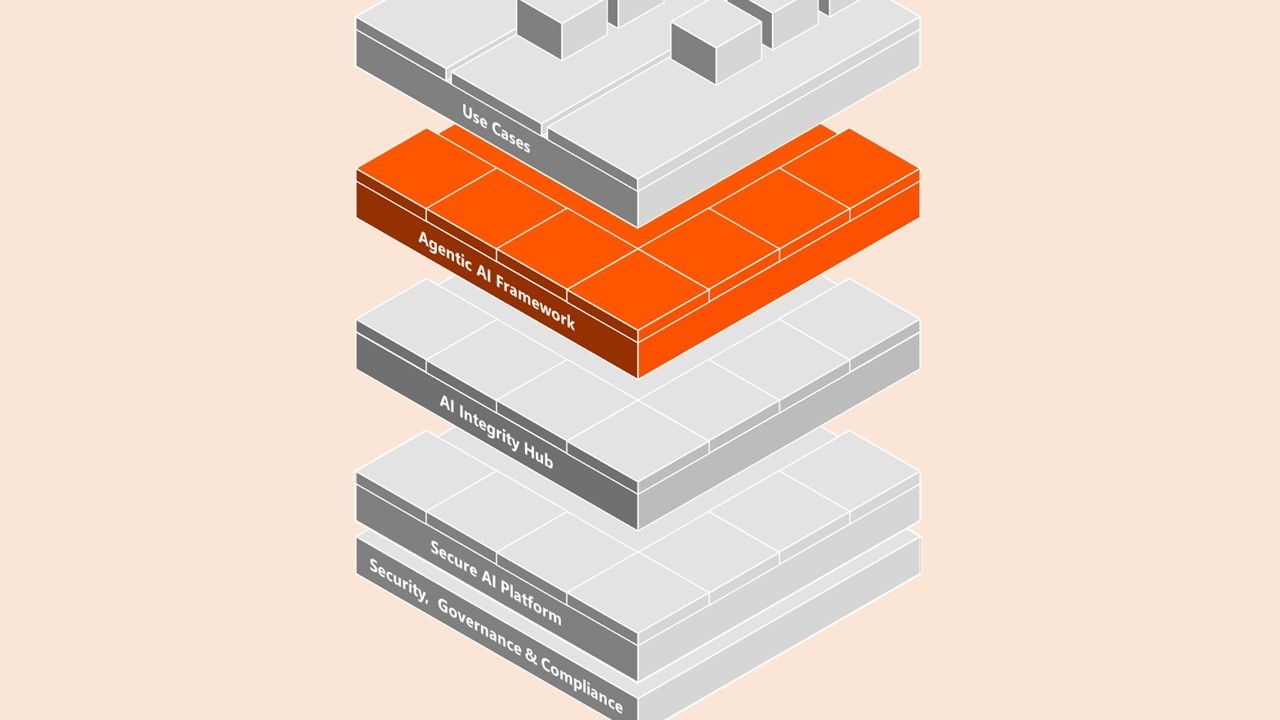
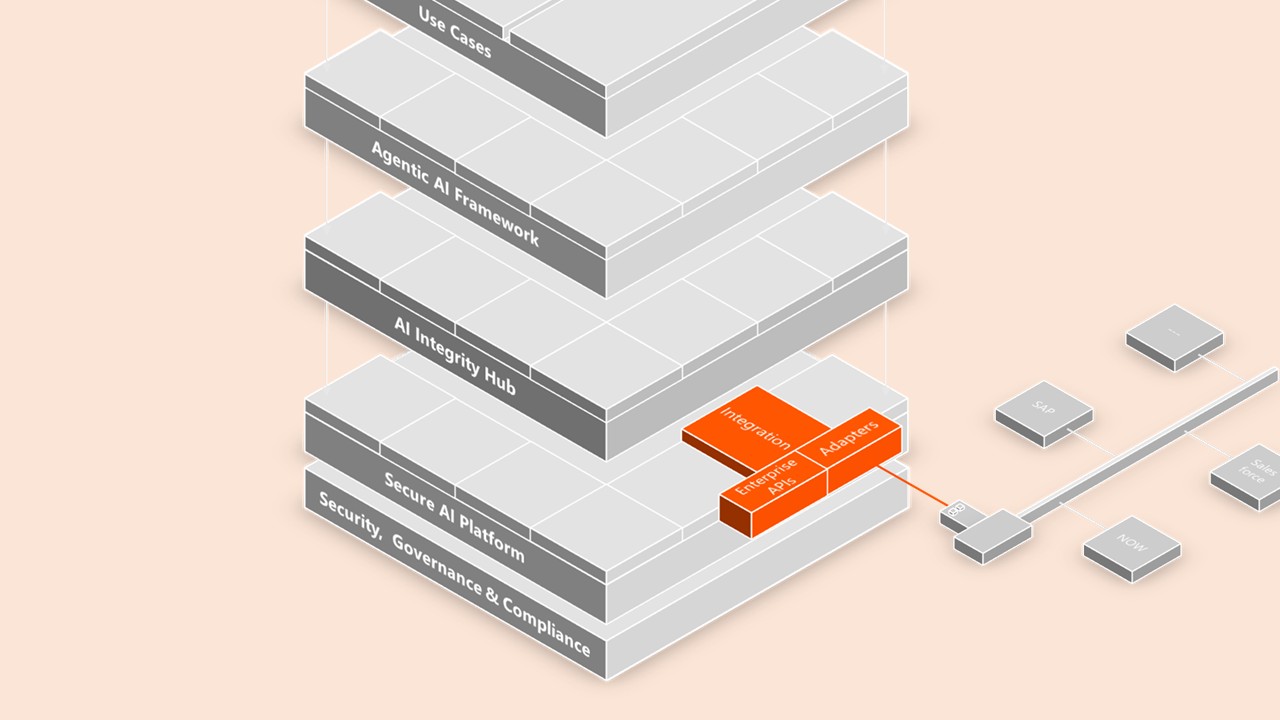
Compliance and information protection cut across all layers of enterprise architecture. They influence data management, infrastructure, applications, and business processes alike.
Clear positioning helps organizations manage risk and maintain long-term operational resilience.