
Agents built with Copilot Studio enable more than simple automation. They interpret requests, access knowledge sources, and execute tasks within defined contexts.
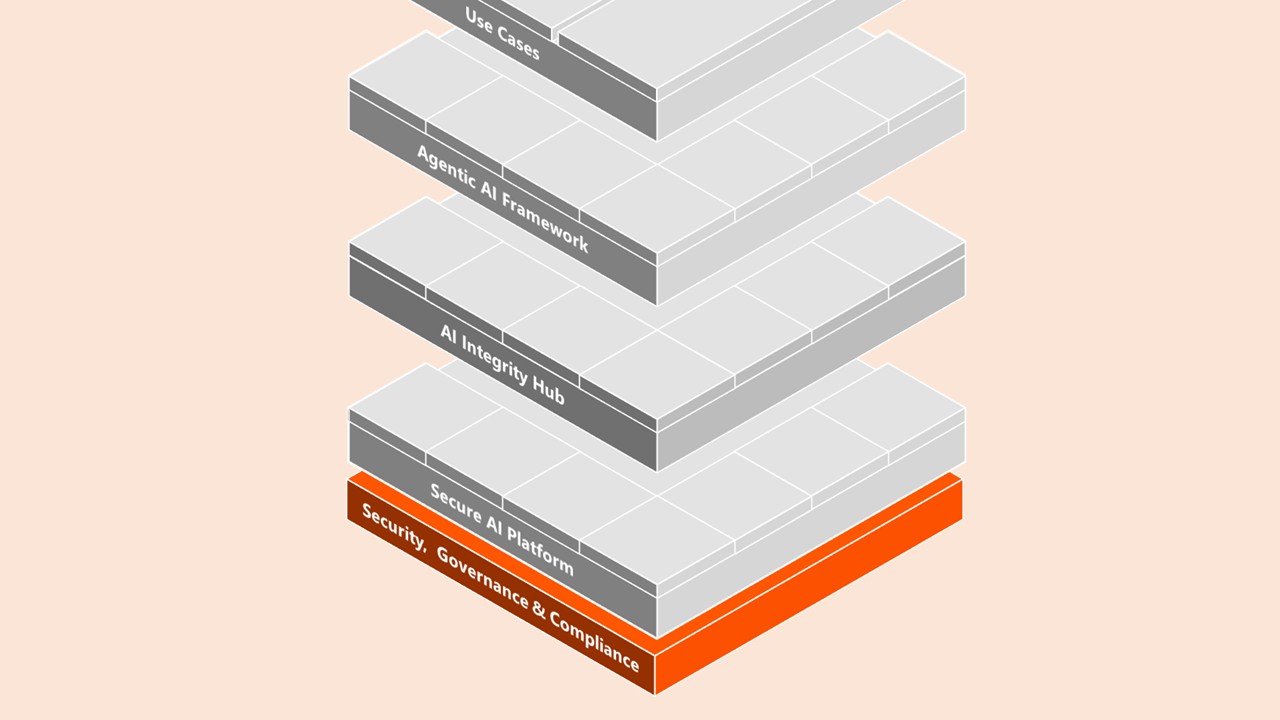
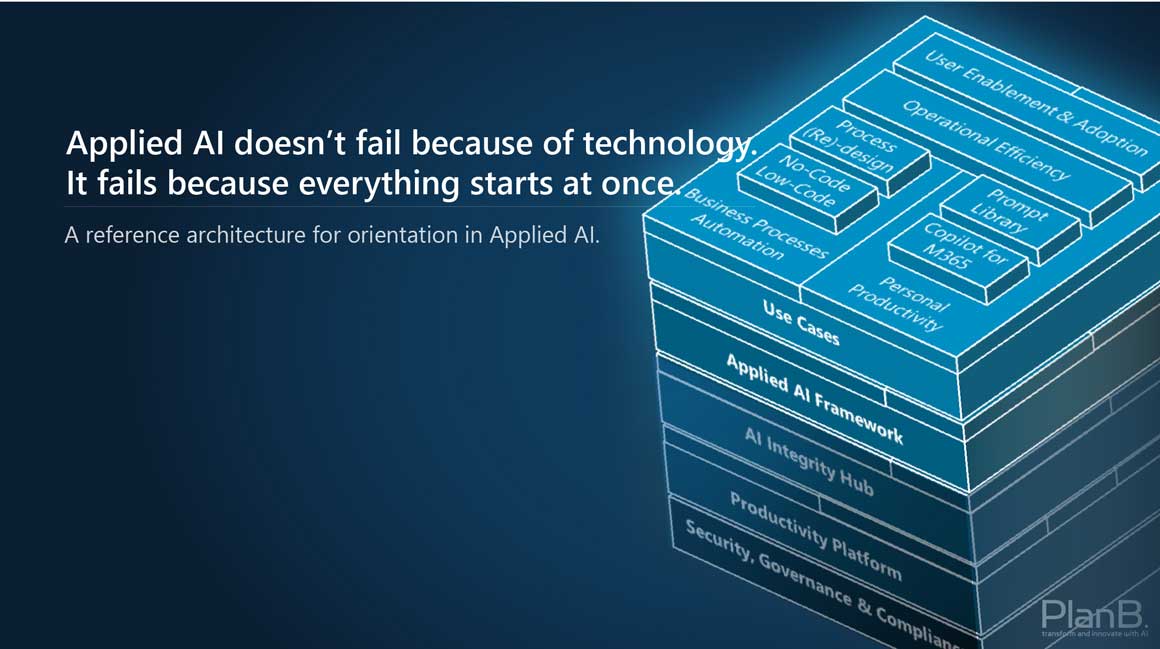
In enterprise environments, the challenge is not purely technical. It lies in structuring how use cases, data, and systems are aligned.
Effective agent development requires coordination across business, IT, and governance functions.
Every agent begins with a clearly defined use case. This defines both its purpose and its limitations.
Key considerations include:
A focused use case reduces complexity and enables structured implementation.
The next step is to design how the agent behaves. This includes defining response logic and interaction flows.
Core elements include:
This phase determines how stable and predictable the agent will be.
Modern agents rely heavily on external knowledge sources. Instead of static responses, they generate answers based on contextualized data.
Retrieval Augmented Generation (RAG) is a common approach to enable this.
Key aspects include:
Agent performance is therefore directly linked to the quality of its data foundation.
An agent only becomes valuable when embedded in daily workflows.
Within Microsoft 365 environments, this typically involves:
Integration determines adoption and practical usability.
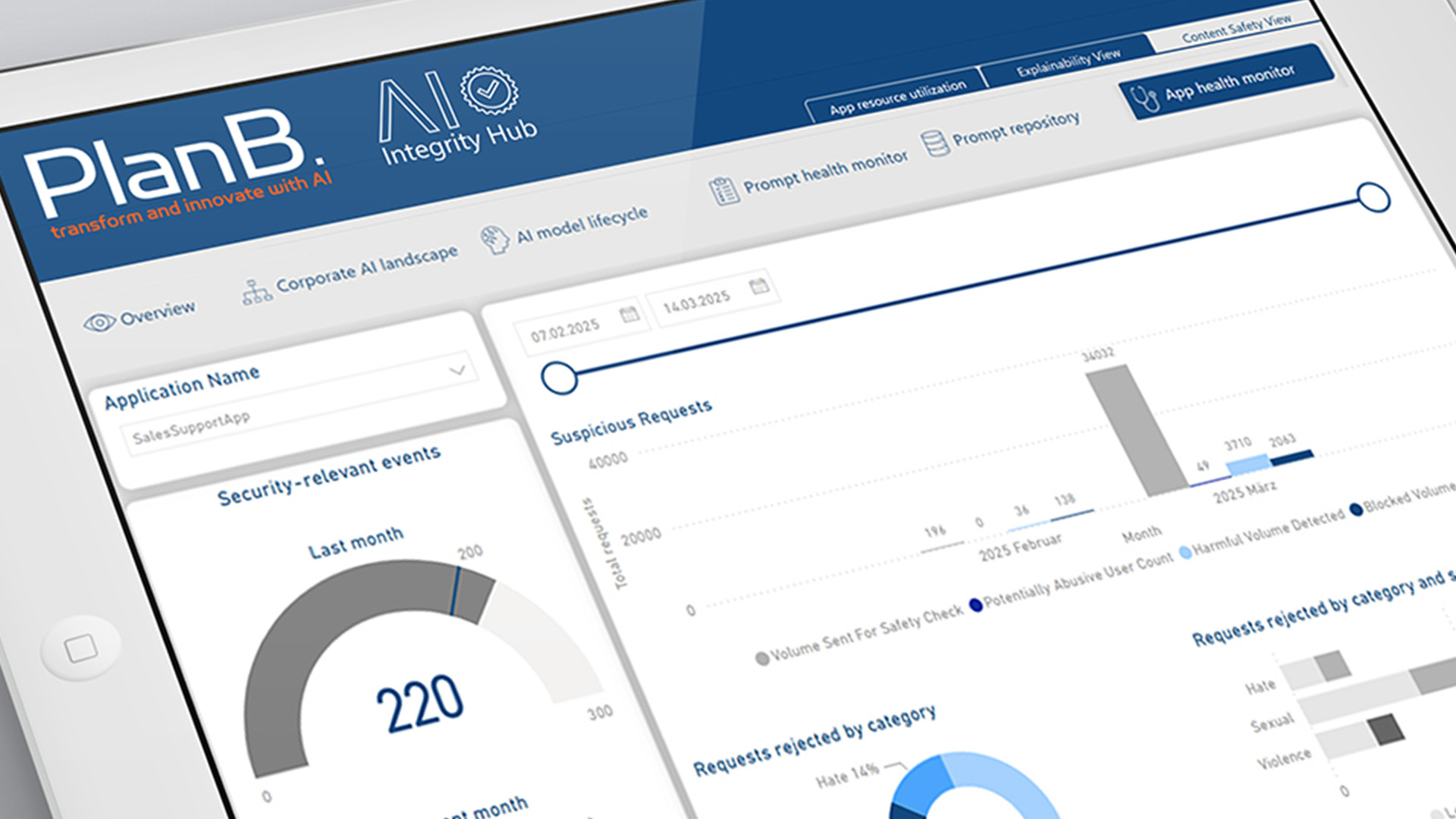
Beyond functionality, regulatory and organizational requirements must be addressed.
This includes:
These considerations are essential for sustainable deployment.
Agent development is iterative. A first functional version provides the foundation for continuous refinement.
The goal is not completeness at the outset, but a clear understanding of how use case, data, logic, and integration interact.
This approach enables organizations to gradually build effective and usable agent-based systems.