
Identity and Access Management (IAM) goes far beyond user administration or login mechanisms. In modern organizations, identity serves as a central structuring principle for controlling access to digital resources. It connects people, systems, applications, and services through clearly defined permissions and responsibilities.
In enterprise environments, IAM is therefore a core element of IT and security architecture.
Traditional IAM approaches primarily focused on internal users and static role models. Today, identities must be managed dynamically, context‑aware, and across their entire lifecycle. External users, technical accounts, services, and devices have become equally relevant.
As a result, IAM evolves from an administrative task into a structural discipline.
Access management is not limited to authentication. It encompasses the full decision process that determines whether, when, and under which conditions access is granted. Context, risk, device, location, and purpose increasingly influence these decisions.
The objective is to make access traceable, auditable, and adaptable without creating unnecessary friction.
As the number of applications, cloud services, and integrations grows, IAM landscapes become significantly more complex. Identity silos, inconsistent role models, and manual processes complicate operations and evolution.
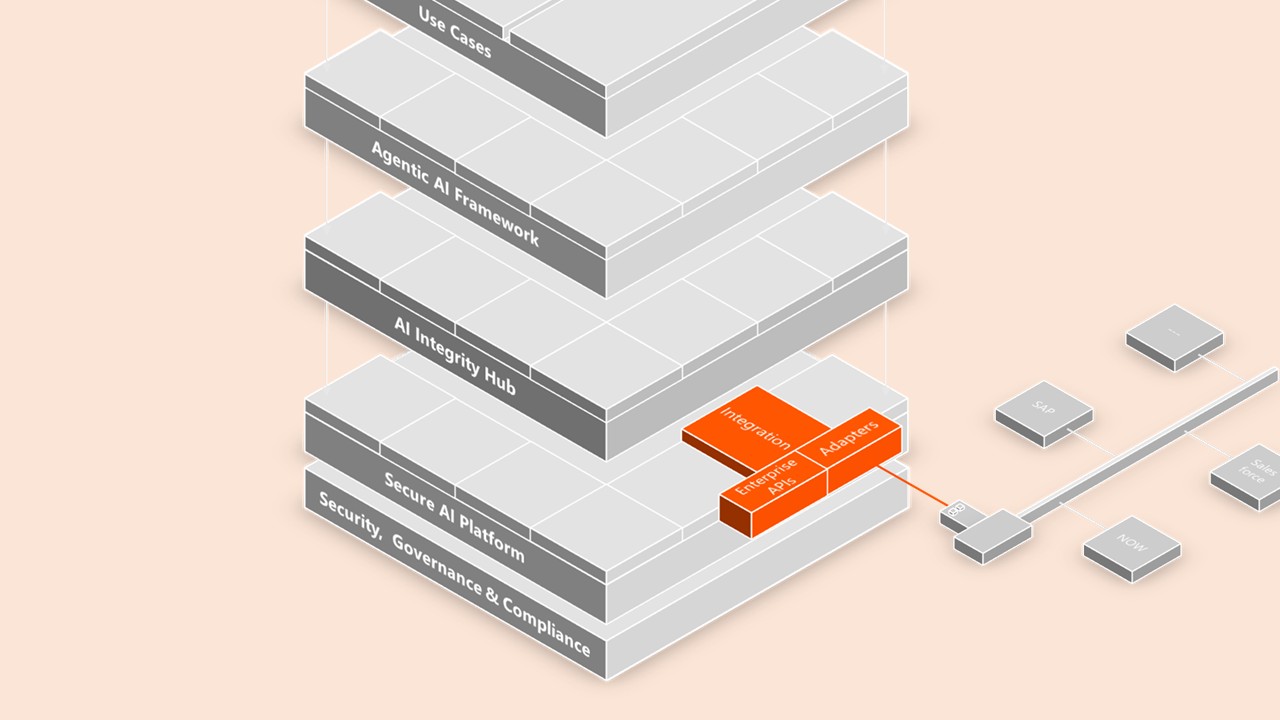
A structured IAM approach addresses this complexity through standardization, reuse, and clearly defined interfaces.
IAM is closely linked to security and governance requirements. Principles such as least privilege, segregation of duties, traceability, and auditability depend on reliable identity management.
Governance provides not only rules but also clarity around ownership, accountability, and decision-making related to identity and access.
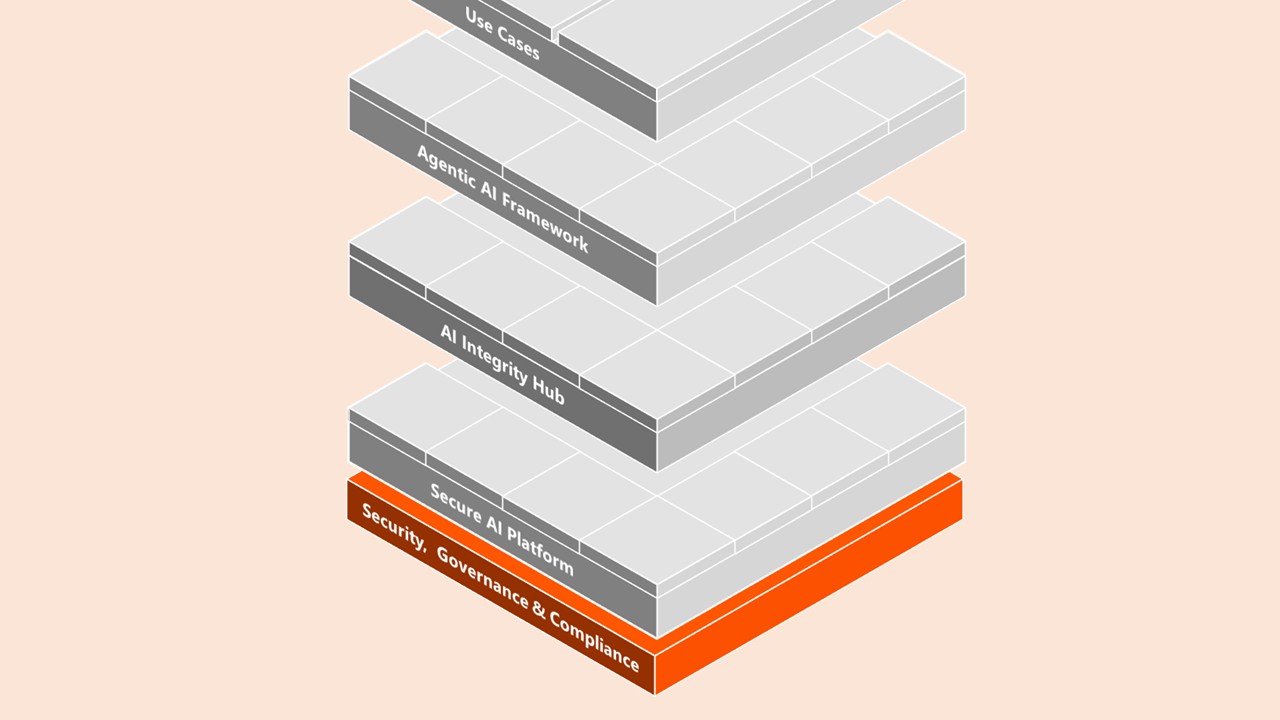
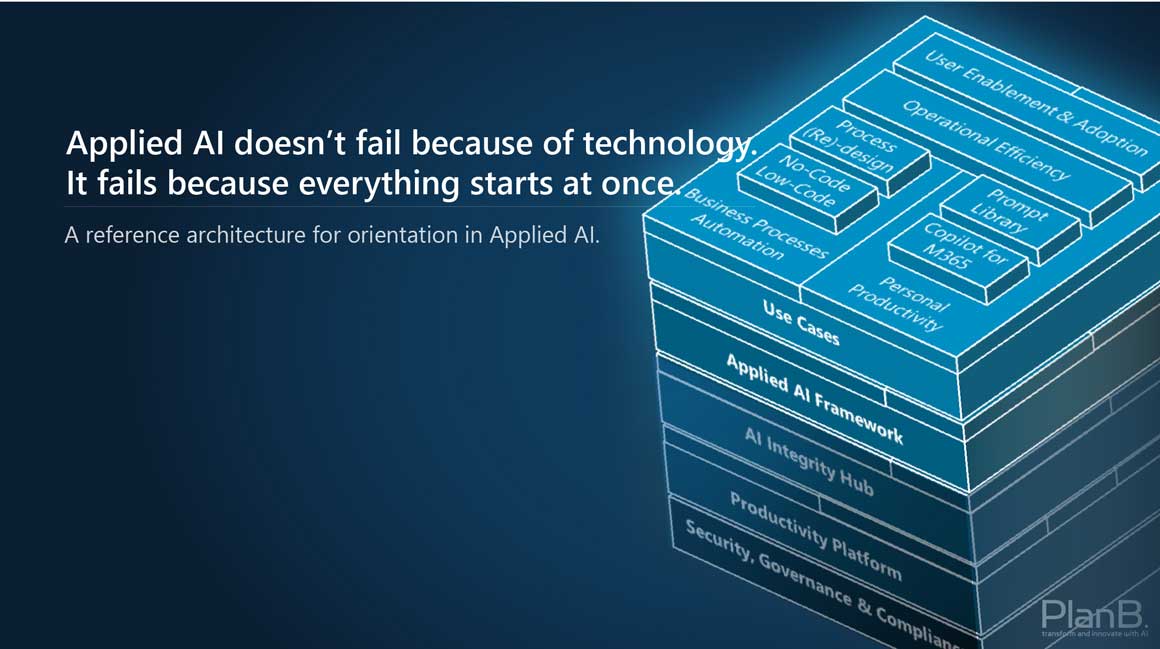
Identity and access management acts as a cross‑cutting layer across infrastructure, applications, and data. Its quality directly affects security posture, operational stability, and the ability to innovate.
A deliberate architectural positioning of IAM helps organizations operate digital ecosystems in a controlled and sustainable manner.