Microsoft 365 has become a central workplace platform in many organizations. Communication, collaboration, document management, and security are tightly integrated. As a result, operations have shifted in nature: Microsoft 365 is not a static system, but a continuously evolving platform.
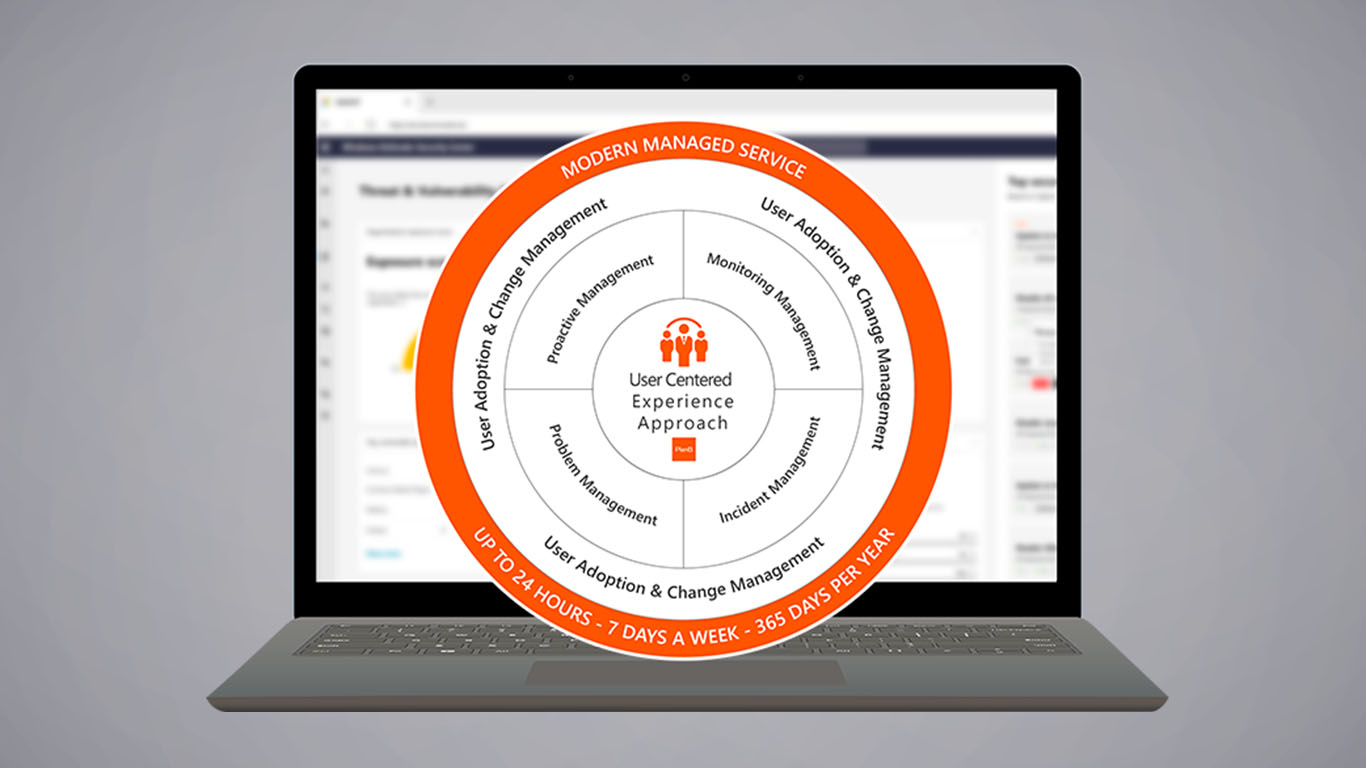
A modern managed service reflects this reality by treating operations as an ongoing steering and development responsibility rather than pure administration.
Classic operating models often rely on stable system states and defined release cycles. Microsoft 365, however, follows a continuous innovation model with frequent functional updates, security changes, and new governance capabilities.
A modern managed service translates this dynamic into structured processes, clear ownership, and transparent decision-making.
At the core of a modern operating model is the clear allocation of responsibilities. Identity, security, compliance, collaboration, device management, and user experience are not managed in isolation, but coordinated as part of a unified approach.
This creates transparency around which changes are planned, implemented, or deliberately deferred, and how they impact the organization and its users.
Security and compliance requirements within Microsoft 365 evolve continuously. New features, threat scenarios, and regulatory demands require regular adjustment. A modern managed service embeds these requirements as ongoing processes rather than one‑time initiatives.
Regular reviews, policy maintenance, and technical adaptations help keep risks under control.
Alongside continuous improvement, operational stability remains essential. Disruptions, misconfigurations, or inconsistent policies directly affect productivity. A structured operating model combines monitoring, standardization, and clear escalation paths to ensure reliability.
This creates a balance between change and operational resilience.
An M365 modern managed service is not simply an outsourcing model. It represents an organizational framework for sustainably operating a critical platform. It helps organizations reduce complexity, structure decisions, and evolve Microsoft 365 in a controlled manner over time.
The focus is on stability, transparency, and alignment with broader IT and security architectures.